Brain Injury Rehabilitation and ABA
About Course
Neurobehavioral Assessment, Functional Treatment Planning, and Interdisciplinary Rehabilitation Support
This 2-part on-demand webinar series helps behavior analysts understand traumatic and acquired brain injury through both neuropsychological and behavior-analytic frameworks. The series examines how brain injury can affect attention, memory, processing speed, executive function, communication, sensory-motor functioning, fatigue, awareness, emotional regulation, and behavior across different stages of recovery.
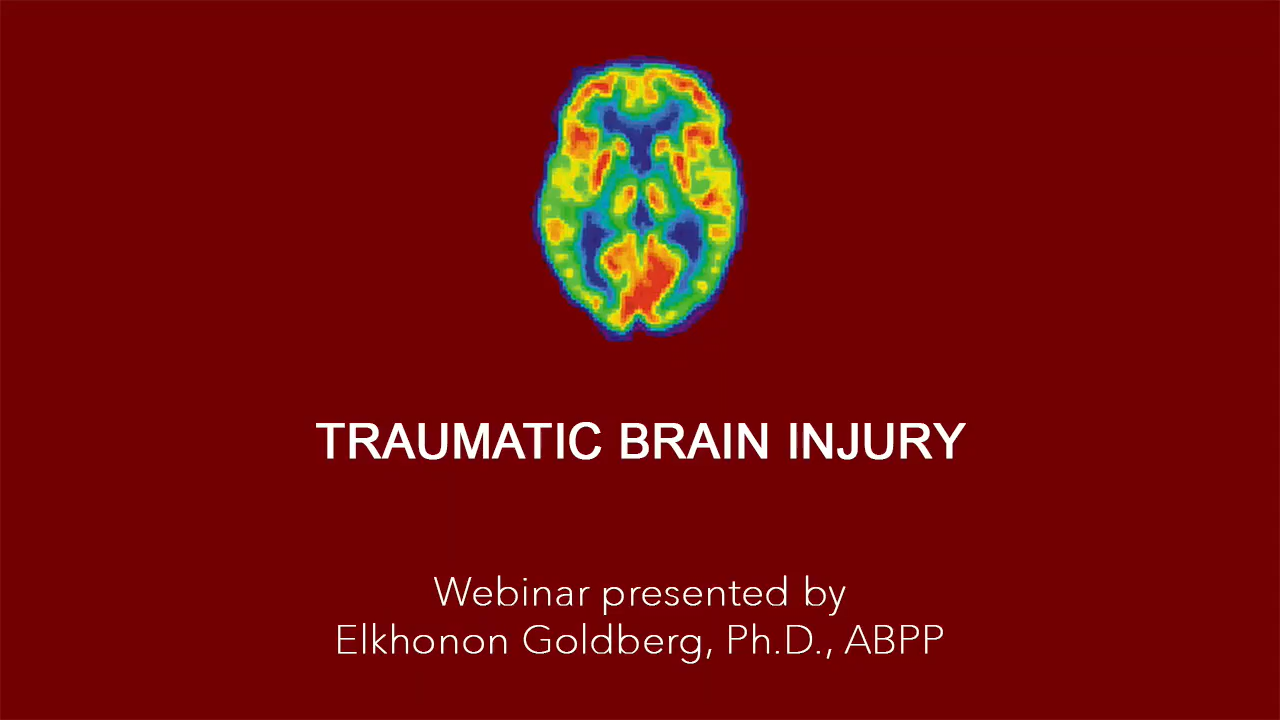
Part 1 provides a comprehensive overview of traumatic brain injury, including closed, open, and blast injuries, as well as common causes such as motor vehicle accidents, workplace injuries, military exposure, and sports-related trauma. The webinar reviews mechanisms of injury, including diffuse axonal injury, contre-coup injury, and neurometabolic cascade, along with cognitive characteristics, recovery patterns, long-term outcomes, and forensic issues commonly associated with TBI.
Part 2 focuses on how ABA can support brain injury rehabilitation when treatment is medically informed, cognitively realistic, environmentally specific, and coordinated across disciplines. Participants will examine functional assessment, operational definitions, direct measurement, four-term contingencies, antecedent modifications, reinforcement, replacement skills, prompting, fading, shaping, task analysis, generalization, crisis prevention, caregiver collaboration, and ethical boundaries within interdisciplinary rehabilitation teams.
The series emphasizes that behavior after brain injury should not be interpreted only as noncompliance, refusal, or lack of motivation. Changes in behavior may reflect pain, fatigue, sleep disruption, medication effects, seizure activity, cognitive overload, sensory-motor difficulty, slowed processing, memory impairment, poor awareness, reduced initiation, emotional dysregulation, or the person’s current stage of recovery.
Format: 2-part on-demand webinar series
Length: 4 hours, 37 minutes total
CEUs: 5.5 BACB CEUs
Audience: BCBAs, BCBA-Ds, BCaBAs, behavior analysts, clinical supervisors, rehabilitation professionals, neuropsychology-informed clinicians, school-based consultants, educators, caregivers, and interdisciplinary team members supporting individuals with traumatic or acquired brain injury
Included Sessions
- Part 1: Traumatic Brain Injury, Dr. Goldberg, 3 hours
- Part 2: Brain Injury Rehabilitation and ABA, Dr. Vanetta LaRosa, 1 hour, 37 minutes
Learning Objectives
- Describe major types, causes, and mechanisms of traumatic and acquired brain injury, including closed, open, blast, diffuse axonal, contre-coup, and neurometabolic injury patterns.
- Identify common cognitive and neurobehavioral effects of brain injury, including attention, memory, processing speed, executive function, communication, sensory-motor functioning, fatigue, awareness, and emotional regulation changes.
- Explain how recovery stage, medical stability, pain, fatigue, sleep disruption, medication effects, seizure activity, and cognitive overload can alter the interpretation of behavior.
- Differentiate noncompliance or refusal from behavior influenced by neurological status, medical variables, slowed processing, memory impairment, reduced initiation, poor awareness, or sensory-motor demands.
- Apply function-based assessment methods in brain injury rehabilitation, including operational definitions, direct measurement, four-term contingencies, setting events, and medically informed hypothesis development.
- Design ABA interventions that are medically informed, cognitively realistic, environmentally specific, and coordinated with interdisciplinary rehabilitation teams.
- Select appropriate antecedent supports, replacement skills, reinforcement systems, prompting, fading, shaping, task analysis, and generalization strategies for individuals recovering from brain injury.
- Recognize ethical and practical boundaries for BCBAs working in brain injury rehabilitation, including when collaboration with physicians, neuropsychologists, speech-language pathologists, occupational therapists, physical therapists, nursing staff, counselors, and caregivers is required.
Disclaimer
This training is for professional education only. Assessment instruments are discussed only at the level of general clinical purpose and treatment-planning implications. No proprietary test items, scoring forms, protocols, stimulus materials, rating-scale items, or administration procedures are reproduced. Participants should consult official publishers, manuals, and professional standards for authorized test administration, scoring, and interpretation.
Brain Injury Rehabilitation and ABA
-
Part 1: Traumatic Brain Injury, Dr. Goldberg
03:04:06 -
Part 2: Brain Injury Rehabilitation and ABA, Dr. Vanetta LaRosa
01:37:01 -
Quiz
Contact
We’re here to help you understand the next step
Reach out if you would like to discuss a referral question, the type of evaluation you may need, scheduling, or whether our practice is the right fit.